Home EV
Charger Installation

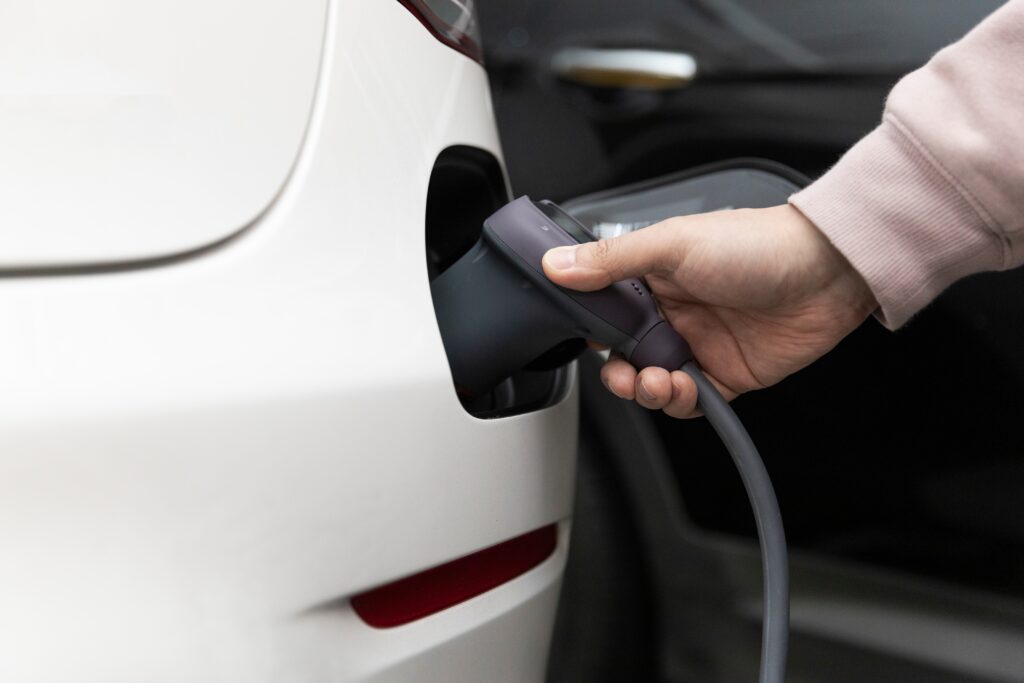
Charge your electric car at home with a professionally installed EV charging point. Our NICEIC-registered electricians install home EV chargers throughout Kenilworth, Leamington Spa, Coventry, and the surrounding Warwickshire area.
What Is an EV Charger?

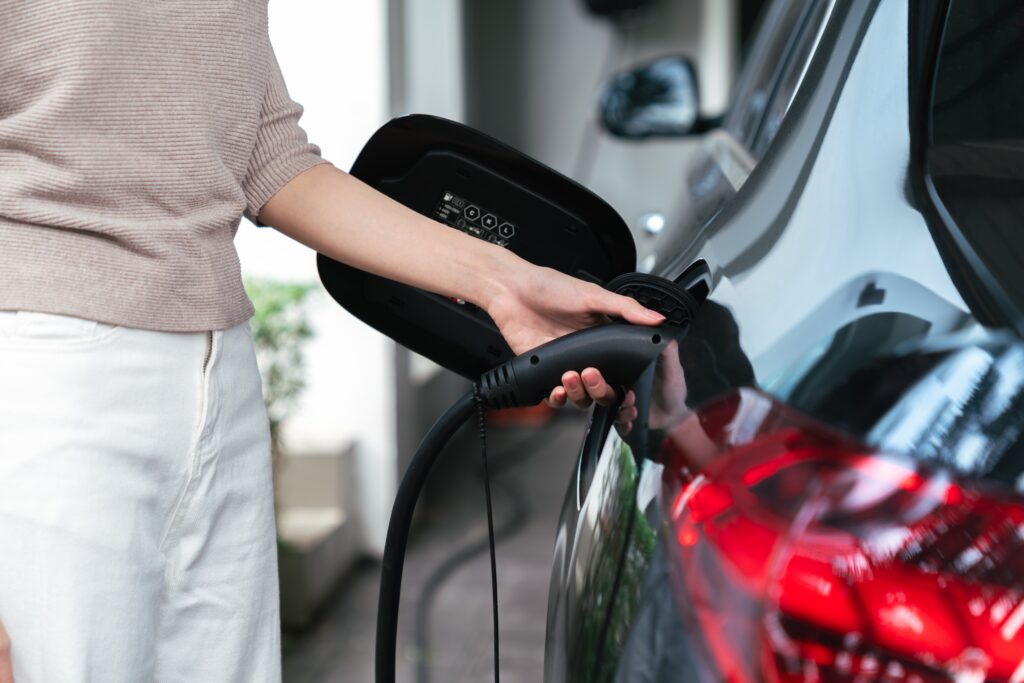
An EV charger is a dedicated charging point that connects your electric vehicle to your home’s electricity supply. You plug in your car, just as you would any other electrical appliance, except the charger is designed to handle the much higher demands of charging an EV.

Most UK homeowners opt for a 7kW charger. It works with many domestic single-phase electricity supplies and is considerably faster than an ordinary three-pin socket. There are also 22kW chargers, although these require a three-phase supply and a compatible vehicle.

You’ll also need to decide between:

  • Tethered chargers: Have a charging cable permanently attached.
  • Untethered chargers: Require you to plug in your own cable.
  • Smart chargers: Let you schedule charging and monitor electricity use, often through a mobile app.

Not sure which to choose? We’ll talk you through what’s available and what will work with your car. Contact our team today to find out more.

Benefits of Home Car Charging Points

One of the main benefits of owning an electric vehicle is being able to charge it at home. There’s no need to drive to a public charging station or wait around for a charger to become available. You can simply plug in when you get home and leave your car charging overnight.

It’s often cheaper, too. Domestic electricity can cost considerably less than public charging, especially if you’re using an off-peak EV tariff.

A dedicated home car charging point is also much quicker than a standard three-pin socket. For anyone regularly driving long distances, that can make quite a difference.

home ev charger

How Our Home EV Charger Installation Works

Getting an EV charger installed is usually straightforward. However, we first need to find out whether your home’s existing electrics can support it.

Here’s what happens:

  1. Get in touch: Tell us about your car, where you park, and what you’re looking for.
  2. Electrical assessment: We’ll check your electricity supply, consumer unit, and where the charger could go. Some properties need electrical upgrades before installation.
  3. Choose your charger: Based on the assessment, we’ll recommend a suitable charging point and provide a quotation.
  4. Book installation: Happy with the quote? We’ll arrange a suitable date to carry out the work.

Our NICEIC and MCS Certified Engineers Safely Install Home EV Chargers

Installing an EV charger isn’t quite as simple as fixing a box to the wall. You’re adding equipment that could be drawing electricity for several hours every night. The wiring and electrical protection need to be up to the job.

That’s why we use NICEIC-registered electricians. Our electrical work is assessed against recognised industry standards, and we can provide the relevant certification once the installation is complete.

Premium Heating, Plumbing & Cooling is also MCS certified for renewable heating installations.

We’ll tell you beforehand if your property needs any additional electrical work. You don’t want to discover halfway through that the existing consumer unit needs replacing.

More NICEIC electrical services

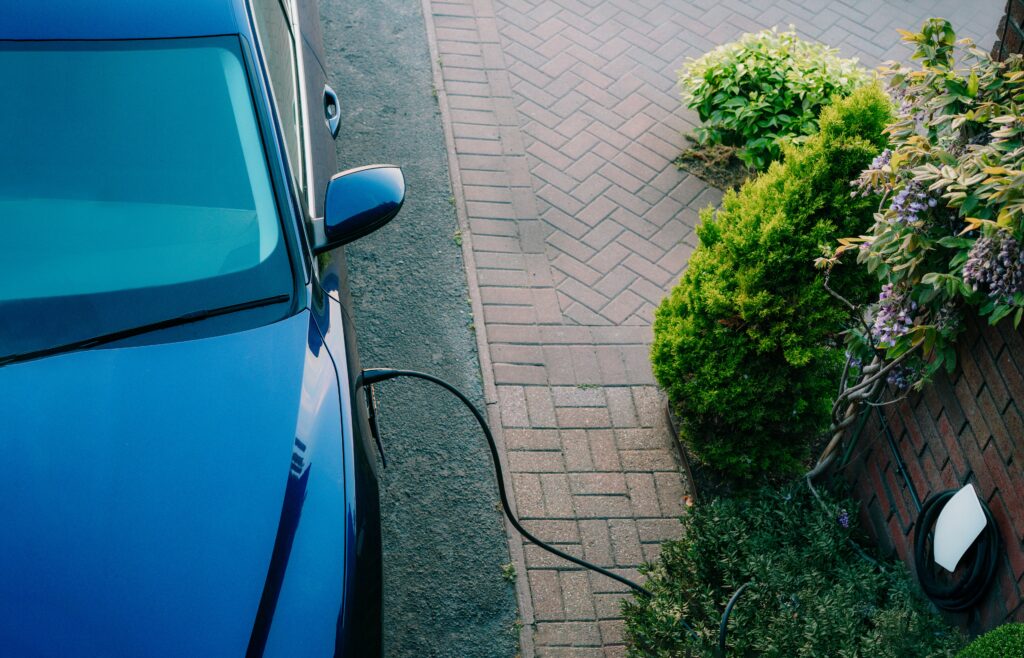
car charging on home ev charger

What Happens During Your Home EV Charger Installation

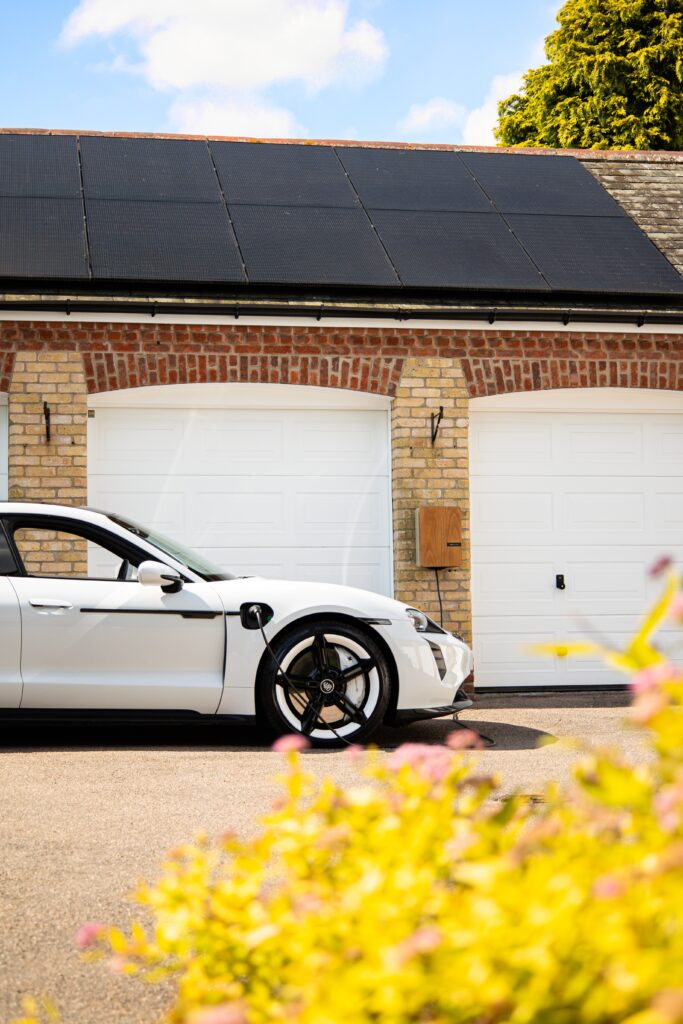
First, we’ll mount the charger in the agreed location, usually beside your driveway or inside the garage. Where you park matters. After all, there’s little point fitting a charger somewhere the cable won’t comfortably reach your car.

Our accredited electricians will then run the necessary cabling from the electrical supply to the charging point. This may involve drilling through an external wall or routing cables around the property. We’ll also install the appropriate circuit protection.

Finally, we’ll test the EV charger and check that everything is working properly. Before leaving, we’ll show you how to use your home charger and provide the relevant electrical paperwork.

How Long Does EV Charger Installation Usually Take?

A straightforward installation can often be completed in a day.

However, an awkward cable route, an older consumer unit, or the need for groundwork can extend the job. We’ll explain what’s involved and how long we expect it to take before you agree to the work.

Your EV Charger Installation Questions Answered

Around £1,000 is a reasonable starting estimate for a typical home installation, although the actual cost depends on your property and the charger you choose.

A longer cable run or necessary electrical upgrades can push up the price. We always provide a quotation before getting started. That way, you’re not surprised when we send the invoice.

Usually, somewhere close to where you park. An outside wall beside the driveway is the obvious choice, although garages and freestanding charging posts are also possible.

We’ll need to consider the distance from your electrical supply and how the cable will reach your car.

We wouldn’t recommend it. EV charger installation involves specialist electrical work, including dedicated circuit protection, correct earthing, and testing.

It’s a job for a suitably qualified electrician rather than a weekend DIY project. Contact us today to get your EV home charger professionally installed in Warwickshire.

These terms are more commonly used in North America. Here in the UK, chargers are generally described by their power output.

Most homeowners choose a 7kW charger. It’s fast enough for regular overnight charging in many households, provided the electrical supply can support it.

Many domestic installations don’t require planning permission, although restrictions can apply depending on the property and location.

The electrical side is another matter. Your consumer unit, earthing, and available supply capacity all need checking. The electricity network operator may also require notification or prior approval.

Yes, although not everyone qualifies. Eligible renters and flat owners can receive up to £500 towards a charging point. There’s also a separate grant for certain households with on-street parking.

Check the government’s EV charger grant guidance before booking. Grant-funded installations must be carried out by an OZEV-authorised installer, and approval is needed before the work takes place.

A qualified electrician with experience installing EV charging equipment. They should understand the specific electrical regulations and protection requirements involved.

Our team is NICEIC registered and can carry out the necessary installation, testing, and certification.

Yes, if it’s installed incorrectly. Faulty wiring or inadequate electrical protection could cause overheating or electric shocks.

It’s why we inspect the existing supply and test the new installation before you start using it.

Not much, thankfully. Check the cable and connector occasionally for damage, keep the unit clean, and follow the manufacturer’s instructions.

If you notice any damaged wiring, unusual heat, or repeated faults, stop using the charger and have it inspected.

Accreditations

To ensure our customers receive a high standard of workmanship and professionalism,
our company is accredited and monitored by several trade and industry bodies.